
How to Budget on a Low Income: 10 Practical Strategies That Actually Work
📘 In This Guide 👇
- Introduction to Budgeting on a Low Income
- Quick Tips for Budgeting on a Low Income
- Start by Understanding Where Your Money Goes
- Focus on Needs Before Wants
- Use a Simple Budget Structure
- Control the Three Biggest Expenses
- Build a Small Emergency Fund
- Try the Envelope Budgeting Method
- Reduce Unnecessary Spending
- Plan for Irregular Expenses
- Look for Ways to Increase Your Income
- Review Your Budget Regularly
- Common Budgeting Mistakes People Make on a Low Income
- Frequently Asked Questions
- Final Thoughts
Introduction to Budgeting on a Low Income
Learning how to budget on a low income can feel overwhelming, especially when bills seem to arrive faster than your paycheck. However, effective budgeting is often the difference between constant financial stress and building long-term financial stability. Even with limited income, the right budgeting strategy can help you cover essential expenses, reduce unnecessary spending, and gradually build savings.
Living on a low income can make money management feel extremely difficult. When income is limited, every bill, unexpected expense, or emergency can create financial pressure. Many people in this situation feel that budgeting is pointless because there simply isn’t enough money to go around.
However, budgeting becomes even more important when income is low.
A well-planned budget does not magically increase your income, but it helps you control where your money goes, reduce financial stress, and gradually improve your financial situation. Even small financial improvements can make a meaningful difference over time.
According to financial guidance from organizations like the Consumer Financial Protection Bureau , tracking spending and building an emergency fund are among the most effective ways to stabilize personal finances.
Many people with modest incomes still manage to pay their bills, avoid unnecessary debt, and build small savings. The key difference is not how much they earn, but how intentionally they manage their money.
If you are working with a limited income, the strategies in this guide will help you build a practical budgeting system that supports your financial stability.
If you want a complete step-by-step system, read our full guide on How to Create a Monthly Budget That Actually Works.
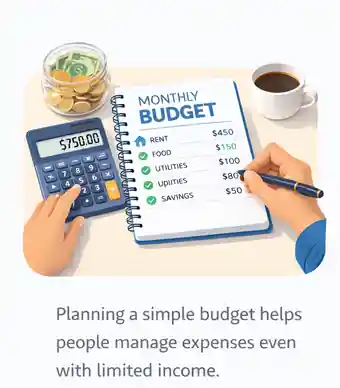
This guide is based on proven budgeting systems used by financial counselors, nonprofit credit agencies, and long-term savers around the world.
At SmartMoneyTrek, we focus on practical personal finance systems designed for real people — especially those building stability from limited income.
Quick Tips for Budgeting on a Low Income
- Track every expense for at least one month
- Prioritize essential needs before wants
- Use a simple budget structure like the 70/20/10 rule
- Reduce unnecessary subscriptions and impulse spending
- Build a small emergency fund gradually
- Plan ahead for irregular expenses
- Look for opportunities to increase income
Start by Understanding Where Your Money Goes
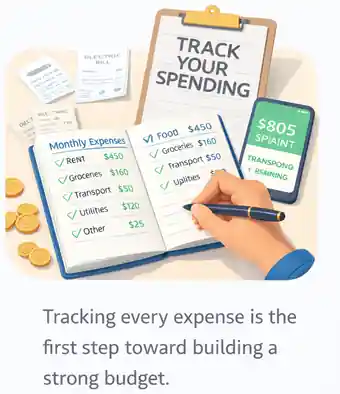
Before creating a budget, you must understand your current spending habits. Many people believe they know where their money goes each month, but when they actually track their spending, the numbers tell a different story. Small daily expenses often add up to far more than expected.
To get a clear picture of your finances, track all expenses for at least one month. Write down everything you spend money on, including:
- Rent or housing payments
- Utility bills such as electricity and water
- Transportation costs
- Groceries and household items
- Phone airtime or internet subscriptions
- Small purchases such as snacks, drinks, or convenience items
Even minor purchases matter when income is limited. After tracking your expenses, divide them into three main categories:
1. Essential expenses
These are necessary for basic living and cannot easily be avoided. Examples include rent, food, transportation, and utilities.
Important but flexible expenses
These include things you need but have some control over, such as groceries or transport choices.
Non-essential spending
This category includes entertainment, impulse purchases, subscriptions, and luxury items. This simple exercise creates financial awareness, which is the first step toward improving your budget.
Saving money works best when you are tracking every dollar with a monthly budget.
Focus on Needs Before Wants
One of the most important budgeting principles is learning to distinguish between needs and wants. Needs are expenses that support your basic living requirements. These include housing, food, transport to work, utilities, and healthcare.
Wants, on the other hand, improve comfort but are not essential for survival. Examples of wants include:
- Frequent restaurant meals
- Upgrading gadgets unnecessarily
- Subscription services
- Impulse shopping
When income is limited, prioritizing needs becomes extremely important. This does not mean eliminating enjoyment from life entirely. Instead, it means making thoughtful spending decisions so that essential responsibilities are always covered first.
For those who prefer more precision and control, zero-based budgeting assigns every dollar a specific purpose.
If you don’t yet have a simple tracking system, follow our complete beginner budgeting guide to see where your money is leaking and how to plug those holes.
Use a Simple Budget Structure
When income is tight, complicated budgeting systems often fail. A simple structure is easier to maintain and more effective over time.
If you are new to budgeting, learning how to create a monthly budget step by step can make managing a low income much easier.
A practical budgeting guideline for low-income earners is the 70/20/10 approach.
Essentials – About 70%
This portion of your income should cover basic living expenses such as:
- Rent or housing
- Food
- Utilities
- Transportation
- Minimum debt payments
In many households, these expenses naturally consume the majority of income.
Financial Security – About 20%
Even with a limited income, try to allocate a portion of money toward improving your financial future.
This category may include:
- Emergency savings
- Debt repayment
- Insurance or long-term savings
If allocating 20 percent is difficult at first, start smaller. Even saving a small percentage consistently can grow over time.
Personal Spending – About 10%
Allow a small amount for personal enjoyment or lifestyle expenses. Completely removing personal spending can make budgeting feel unbearable. A small allowance helps maintain balance while still protecting financial stability.
If your income is currently limited, consider increasing it with realistic side income ideas for beginners.
Control the Three Biggest Expenses
Most household budgets are dominated by three major expenses: housing, food, and transportation. Making improvements in these areas can significantly strengthen your financial position.
Housing
Housing often consumes the largest portion of income. If rent is too high relative to your earnings, it can leave little room for savings or emergencies. Possible solutions include sharing housing with roommates, relocating to a more affordable area, or negotiating rent increases when possible. Even small reductions in housing costs can improve your monthly budget.
Food
Food spending is one of the most flexible parts of a budget. Cooking meals at home instead of buying prepared food can reduce expenses dramatically. Simple habits such as meal planning, buying store brands, and shopping with a list can also lower grocery costs. Checking what you already have at home before shopping can prevent unnecessary purchases and reduce food waste.
Transportation
Transportation expenses can quietly take up a large portion of income. Combining errands into one trip, using public transportation when available, or maintaining your vehicle properly to avoid major repairs can help control these costs.
If you’re starting from zero, read our step-by-step emergency fund guide to build financial security faster.
Build a Small Emergency Fund
Unexpected expenses are one of the biggest reasons people fall into debt. A medical bill, car repair, or broken appliance can disrupt even the most carefully planned budget. That is why creating an emergency fund is extremely important.
Start with a small goal, such as saving enough to cover one week of basic expenses. Once that goal is achieved, work toward saving one month of essential living costs. Over time, aim to build an emergency fund that can cover several months of expenses. The size of your savings is less important than the habit of saving regularly.
Not sure where to start? Our guide on how to build an emergency fund from scratch breaks it down step by step.
High monthly bills often lead to debt. If that’s your situation, visit our how to reduce debt and stop high interest payments eating your income.
Try the Envelope Budgeting Method
One budgeting technique that works especially well for low-income earners is the envelope system. With this approach, you divide your money into spending categories such as:- Food
- Transportation
- Utilities
- Personal spending
Each category receives a fixed amount of money. When the money for a category is finished, spending stops until the next budgeting period. This method prevents overspending and makes it easier to see exactly how much money remains for each area of your budget. Even if you use digital banking instead of physical cash, the same concept can be applied using budgeting apps or separate bank accounts.
One practical strategy that works well for controlling spending is the envelope budgeting system, which helps you divide money into clear spending categories.
If your income is tight, learn realistic ways to increase your income so you can improve your savings rate.
Reduce Unnecessary Spending
When income is limited, reducing unnecessary expenses can make a noticeable difference. Look carefully at areas where money may be leaking from your budget. Common examples include unused subscriptions, frequent convenience purchases, or impulse buying.
A helpful strategy is the 24-hour rule. If you want to buy something that is not essential, wait at least one day before making the purchase. In many cases, the desire to buy fades once the initial impulse passes. Small spending changes made consistently can free up valuable money for savings or debt reduction.
Plan for Irregular Expenses
Many people create budgets that only account for monthly bills, but several important expenses occur only occasionally. Examples include school supplies, clothing, holiday spending, and home repairs.
If these expenses are not planned in advance, they can easily disrupt your finances. A simple solution is to estimate the yearly cost of these expenses and divide the amount by twelve months. Saving a small portion each month allows you to prepare for these costs gradually instead of facing them all at once.
Look for Ways to Increase Your Income
While budgeting helps control spending, improving your financial situation often requires increasing income as well. Even small additional income sources can make a significant difference when your budget is tight.
Some possibilities include:
- Freelance or online work
- Tutoring or teaching a skill
- Selling digital products or handmade items
- Weekend or part-time jobs
- Providing small services in your community
If you earn additional income, resist the temptation to increase spending immediately. Instead, use part of that extra money to strengthen your savings or reduce debt.
Explore smart ways to earn extra income through side hustles.Learn More on SmartMoneyTrek
Explore our core financial guides:
- Save Money – proven ways to cut bills and build savings
- Budgeting – Tools and strategies to control your money
- Make Money – real side hustles and income ideas
- Loans & Debt – How to borrow wisely and eliminate debt
Review Your Budget Regularly
A budget should never be treated as a one-time activity. Your financial situation will change over time, and your budget should adapt accordingly. At the end of each month, review your spending and ask yourself:
- Which areas stayed within budget?
- Where did I overspend?
- What changes should I make next month?
These regular reviews help you improve your budgeting skills and maintain control over your finances.
Common Budgeting Mistakes People Make on a Low Income
Many people try to budget but still struggle because of a few common mistakes. Understanding these pitfalls can help you avoid frustration and build a stronger financial system.
Ignoring Small Expenses
Small daily purchases often feel harmless, but they accumulate quickly. Tracking these expenses helps you identify spending patterns that quietly drain your budget.
Setting Unrealistic Budgets
A budget that is too strict often fails. Leaving a small amount for personal spending helps maintain consistency.
Not Planning for Emergencies
Without emergency savings, unexpected expenses can force people into high-interest debt. Even a small emergency fund provides financial protection.
Giving Up Too Quickly
Budgeting improves with practice. Most successful savers adjust their budgets several times before finding a system that works consistently.
If you are just starting, learning how to create a monthly budget can help you avoid many of these common mistakes.
Frequently Asked Questions
Start by tracking all expenses, prioritizing essential needs, and allocating money using a simple budget plan. Even small adjustments can help you manage limited income more effectively.
Yes. Saving small amounts consistently, reducing unnecessary spending, and planning expenses carefully can help build savings over time.
The envelope budgeting system divides your money into spending categories. Each category has a fixed limit, helping you avoid overspending and stay within budget.
An emergency fund helps cover unexpected expenses such as medical bills or repairs, preventing you from relying on high-interest debt.
It is often best to build a small emergency fund first while making minimum debt payments, then focus on paying off high-interest debt.
Even small savings can make a difference. Many financial planners recommend starting with a goal of saving 5–10% of income if possible. If that amount feels unrealistic, begin with a smaller amount and increase it gradually as your financial situation improves.
Simple budgeting systems usually work best when income is limited. Methods such as zero-based budgeting or the envelope system make it easier to control spending and ensure every dollar has a clear purpose.
The first step is understanding where your money goes each month. Tracking expenses, reducing unnecessary spending, building a small emergency fund, and increasing income gradually can help break the paycheck-to-paycheck cycle.
Yes. Budgeting becomes even more important when income is limited because every expense must be carefully managed. A simple budget helps prioritize essential needs and prevents small spending habits from creating larger financial problems.
Tracking your expenses is easier when you follow a structured monthly budget system .
Final Thoughts
Learning how to budget on a low income is one of the most valuable personal finance skills you can develop. While it requires discipline, patience, and intentional decision-making, the long-term benefits make the effort worthwhile. With the right habits and strategies, even a limited income can be managed in a way that promotes stability and financial confidence.
Building a strong budget begins with a few essential steps:
- Understanding exactly where your money goes
- Prioritizing essential living expenses
- Using a simple and realistic budgeting structure
- Reducing unnecessary spending
- Building an emergency fund gradually
- Preparing for irregular or unexpected expenses
- Seeking opportunities to increase your income
Meaningful financial progress rarely happens overnight. Instead, it grows from consistent, small financial decisions made over time. Each disciplined choice—whether saving a little more, spending more wisely, or planning ahead—strengthens your financial foundation.
Even if your income is modest today, the habits you develop now can lead to greater stability, less financial stress, and a more secure future. By managing expenses carefully, building small savings, and maintaining strong financial discipline, you can steadily move toward lasting financial security and peace of mind.
Ready to Apply This Budgeting Method?
Learn how to create a simple monthly budget step by step and start organizing your income today. Create Your Monthly Budget
Your financial journey doesn’t need to begin with perfection. It simply needs to begin with consistency — because consistent action, over time, is what turns small steps into lasting progress.
This content is for educational purposes only and does not constitute financial advice.